

Short answer: When a condo water heater in Stuart fails, water spreads across the unit’s floor, seeps through the concrete or wood floor assembly, and soaks the ceiling drywall and insulation of the unit below. It often reaches walls, cabinets, and furnishings too. Responsibility typically depends on the association’s declaration, the master policy, and each owner’s HO-6 policy.
Stuart and the rest of Martin County have many mid-rise and garden-style condominiums along the St. Lucie River, Hutchinson Island, and the Indian River Lagoon. In many units, the water heater sits in a closet or utility room, sometimes directly above a neighbor’s living room or bedroom. When a tank or supply line fails, it doesn’t just affect one owner.
Why do condo water heaters fail?
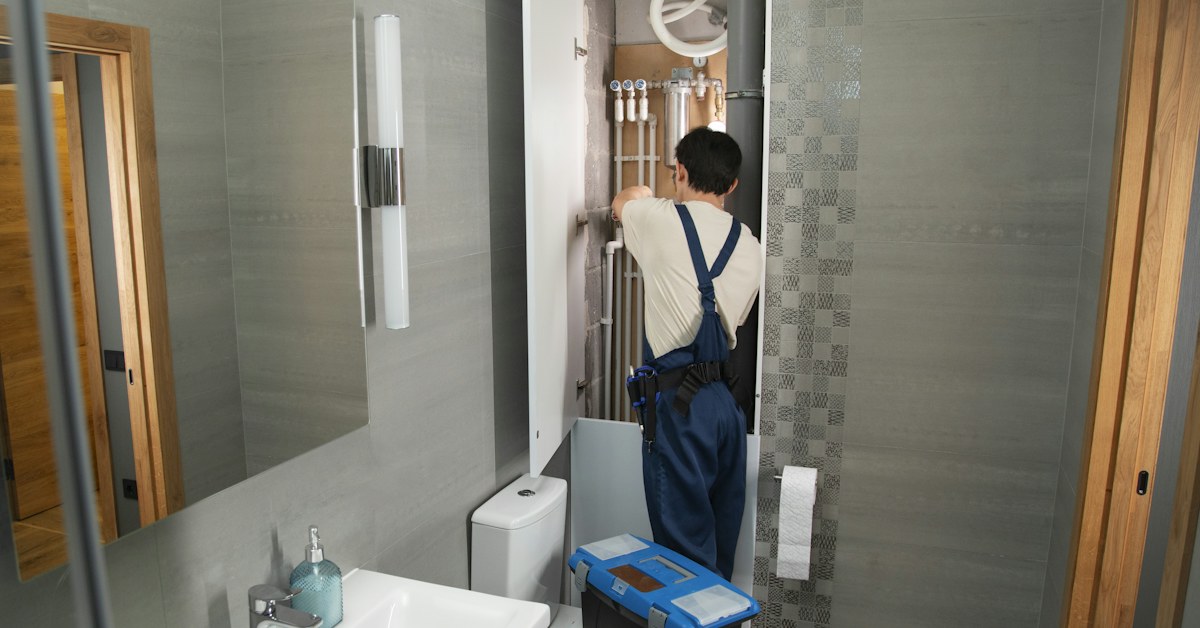
Condo water heaters fail from tank corrosion, failed supply lines or fittings, faulty pressure relief valves, and age. Many tank heaters are designed to last roughly 8 to 12 years, and older units are more likely to fail.
Common failure points:
- Rusted tank bottoms
- Braided or flexible supply connectors
- Pressure and temperature relief valve discharge
- Drain valves that leak
- Missing or undersized drain pans
How does water reach the unit below?
Water seeps through floor penetrations, gaps around pipes, and the floor assembly itself, then pools on the ceiling below. In concrete buildings, water often finds plumbing penetrations and cracks. In wood-framed buildings, it soaks subfloor and runs along joists.
What gets damaged in the unit below?
The ceiling usually takes the first hit, followed by walls, cabinets, flooring, and contents.
- Ceiling drywall and texture
- Insulation, if present
- Light fixtures and fans
- Kitchen or bathroom cabinets
- Flooring and baseboards
How is ceiling water damage repaired?
Ceiling water damage repair removes damaged drywall, dries the cavity, replaces drywall, and matches texture and paint. A firm, dry ceiling with light staining may only need stain-blocking primer and paint.
Many condos in Florida have knockdown or popcorn ceilings, so matching texture matters for a seamless repair.
Who typically pays?
The answer depends on governing documents and insurance policies. Condominium law in Florida and each association’s declaration define what the association insures versus what owners insure. Generally:
- The association’s master policy often covers common elements and portions of the building structure
- Each owner’s HO-6 policy often covers interior finishes, improvements, and belongings
- Negligence may shift liability
How do you get water damage insurance claim help?
Notify the association and your insurer promptly, document damage in all affected units, and keep records.
Why does fast response matter in Florida?
Humidity in Florida slows drying, so prompt extraction and dehumidification help limit damage.
How fast does damage spread to the unit below?
Damage can reach the unit below within minutes to hours, depending on how much water escapes and the floor construction. A failed supply line can release water continuously until someone closes the valve, so speed of discovery is critical.
What should the upstairs owner do first?
Shut off water to the water heater and the unit, turn off power or gas to the heater, and notify the association and the neighbor below.
- Close the cold water supply valve at the top of the heater
- Turn off the breaker or gas supply
- Notify the building manager and neighbors
- Photograph the heater and the damage
- Call a restoration company
What should the downstairs owner do?
Stay clear of sagging ceilings, turn off power to wet light fixtures, move belongings, document damage, and notify your HO-6 insurer.
Why does condo law in Florida matter?
Florida’s Condominium Act and each association’s declaration set out what the association insures and what unit owners insure, which shapes who pays for repairs. Associations typically insure the building structure and common elements, while owners insure interior items they’re responsible for under the documents. Read your declaration and ask your agent.
How does humidity in Florida affect drying?
High humidity slows evaporation, so dehumidification is essential when drying condos on the Treasure Coast. Keeping doors and windows closed during drying helps equipment work efficiently.
How can owners prevent water heater leaks?
Replace aging water heaters, install drain pans and leak sensors, and check supply lines.
- Note the installation date on the heater label
- Install a drain pan plumbed to a drain if possible
- Add leak sensors with alerts
- Replace flexible connectors as recommended
- Consider an automatic shutoff valve
What does documentation look like for both owners?
Both owners should document damage with photos, keep repair invoices, and share information with the association and insurers. Coastal Property Restoration can provide moisture readings and photos of the affected units.
Related services: Water Damage Restoration · Building Restoration Services
Frequently asked questions
Should the upstairs owner pay for my ceiling?
It depends on the documents and cause. Consult your insurer.
How long does ceiling repair take?
Drying usually takes several days, followed by repairs.
Does Coastal Property Restoration serve Stuart?
Coastal Property Restoration serves the Treasure Coast, including Stuart.
Call Coastal Property Restoration
If a condo water heater has damaged your unit in Stuart, call Coastal Property Restoration at 877-853-5663.