

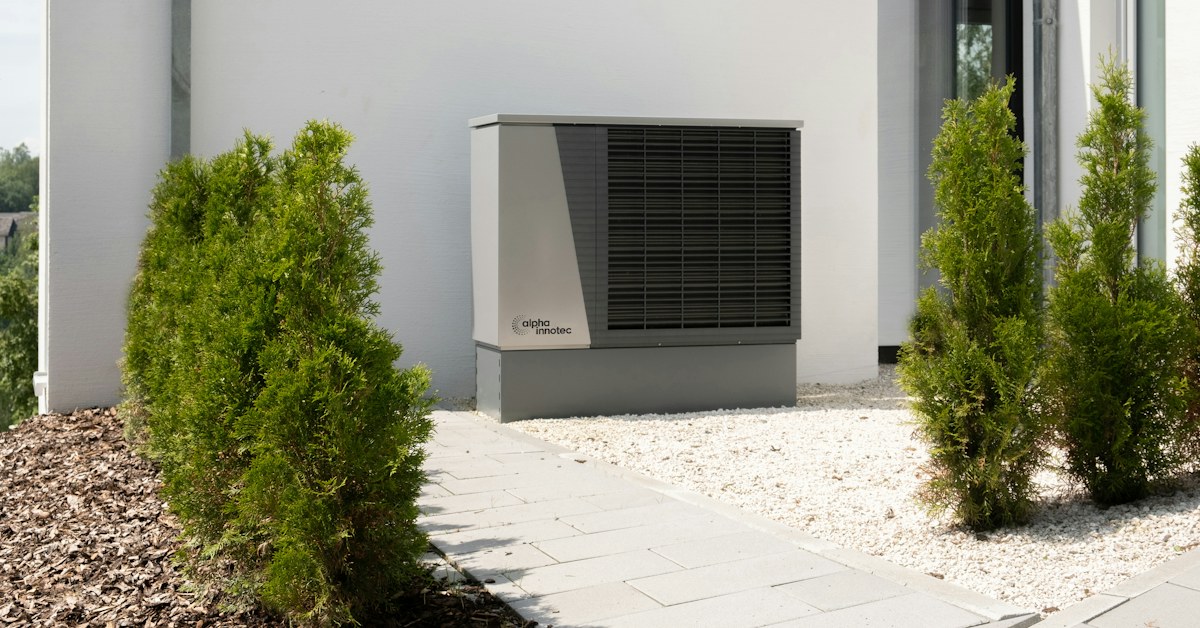
Short answer: Yes. When an AC condensate line clogs, water backs up into the drain pan and overflows onto the floor of the air handler closet or into the wall cavity behind it. Drywall wicks that water upward, softening, staining, and swelling over days or weeks. In Port St. Lucie’s humid climate, air handlers can produce gallons of condensate a day, so a clog adds up fast.
In many homes in Port St. Lucie, the air handler sits in an interior closet or garage, with the condensate line running through the wall or slab to the outside. Algae and debris grow in that line, and when it clogs, water overflows into the closet and nearby walls.
Why do condensate lines clog?
Condensate lines clog from algae growth, debris, and sludge in the warm, wet drain line.
How does overflow damage drywall?
Overflow water soaks the bottom edge of drywall, which wicks moisture upward and loses strength.
How do you find a condensate leak?
Leak detection and water damage repair begins by checking the drain pan, the float switch, and moisture levels in nearby walls. Thermal imaging and moisture meters help locate wet areas.
Signs:
- Water on the closet floor
- Stained or soft baseboards
- AC shutting off from a tripped float switch
- Musty odor near the air handler
How is water damaged drywall repaired?
Water damaged drywall repair cuts out the wet section, dries the wall cavity, and installs, finishes, and paints new drywall.
How do you find water damage repair near me?
Choose a local company on the Treasure Coast that can trace the leak, dry the area, and complete repairs. Coastal Property Restoration offers building restoration services.
Where does the water go after it overflows?
After overflowing, water usually spreads across the air handler closet floor, wicks into the bottom of surrounding drywall, and can run under the wall plate into adjacent rooms. In garages, it may run toward the door or into a nearby wall cavity. In closets, it often reaches hallway or bedroom baseboards.
Because homes in Port St. Lucie are commonly built on concrete slabs with concrete block exterior walls, water often travels along the slab under baseboards rather than soaking straight down.
Why do AC systems in Florida produce so much condensate?
Florida’s high humidity means air conditioners remove large amounts of moisture from indoor air, producing a steady stream of condensate for much of the year. On humid days, that can be several gallons. When the drain line stops, the pan fills quickly.
What does a float switch do?
A float switch shuts off the AC when water in the drain pan or line rises, helping prevent overflow. If your AC shuts off unexpectedly on a hot day, a tripped float switch is a common cause and a sign the drain line needs attention.
How is the cavity dried before repair?
The cavity is dried by opening damaged drywall, directing air movers into the space, running dehumidifiers, and confirming dryness with moisture readings. Closing the wall too early traps moisture and leads to repeat damage.
Drying usually includes:
- Removing baseboards and wet drywall
- Drying furring strips and block surfaces
- Monitoring readings daily
- Repairing only after readings match dry standards
What does a complete drywall repair include?
A complete repair includes new drywall, tape and joint compound, texture matched to the existing wall, primer, paint, and reinstalled baseboards. Many homes in Florida have knockdown or orange-peel wall texture, which takes skill to match. Coastal Property Restoration offers building restoration services to complete these repairs.
How can you prevent the next overflow?
Have the condensate line cleared during HVAC maintenance and make sure a float switch is installed and working.
- Ask your HVAC technician to inspect and flush the line
- Check the drain pan for rust or standing water
- Confirm the line drains outside where you can see it
- Watch for an AC that shuts off unexpectedly
- Add a water sensor near the air handler
Can the leak be inside the wall?
Yes, if the condensate line runs inside a wall and develops a leak or disconnects, water can soak the cavity without overflowing the pan. That’s harder to spot and often shows up as stained or soft drywall or baseboards some distance from the air handler. Moisture meters and thermal imaging help pinpoint these leaks.
What about air handlers in the garage?
Garage air handlers can overflow onto the slab and wick into the shared wall with living space. Check the base of walls on both sides. Stored items near the unit can also be damaged.
Why does construction on the Treasure Coast matter?
Many homes have concrete block exterior walls with drywall attached to furring strips, so water can travel behind drywall along the block. Interior walls are usually wood or metal studs. Each type is dried differently.
Related services: Water Damage – Port St. Lucie
Frequently asked questions
How often should the condensate line be cleared?
Follow your HVAC technician’s recommendation.
Does insurance cover condensate leak damage?
Sudden damage may be covered. Ongoing leaks may not.
Can I fix the drywall myself?
Only after confirming the cavity is dry.
Call Coastal Property Restoration
If a condensate leak has damaged drywall, call Coastal Property Restoration at 877-853-5663.