

Two Types of Flooding With Fundamentally Different Contamination Profiles
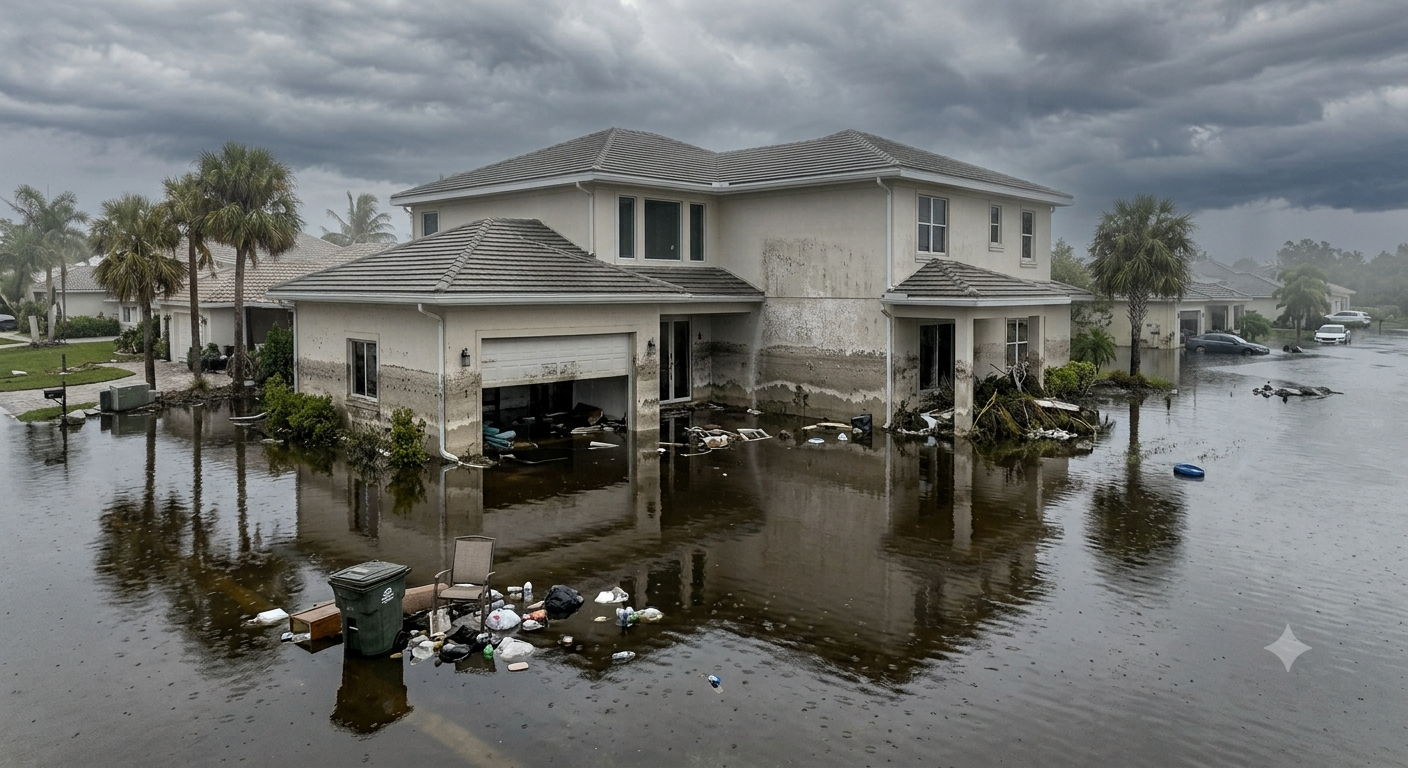
Florida homeowners experience two primary sources of flood damage during storm events: storm surge driven by hurricane and tropical storm winds, and freshwater flooding from intense rainfall that overwhelms drainage systems. While both fill homes with water that requires extraction and drying, the contamination profiles are fundamentally different and require different restoration approaches. Storm surge is saltwater that carries ocean-sourced biological contamination, heavy mineral loads, and organic debris from coastal environments. Rainwater flooding is initially freshwater but rapidly acquires contamination from soil microorganisms, septic system overflows, and surface pollutants as it enters homes. Within 24-48 hours, freshwater flooding is reclassified as contaminated water due to bacterial growth in the warm standing water. Understanding which type of flooding affected your property determines the appropriate restoration protocols, required personal protective equipment, material salvageability decisions, and necessary disinfection scope.
Storm Surge Contamination and Structural Salt Loading
Storm surge flooding introduces salt and marine biological contamination into building materials that creates ongoing degradation long after the visible water is removed. Salt absorbed by concrete foundations, block walls, and framing lumber wicks moisture from the air through hygroscopic action, keeping materials damp at ambient humidity levels that would otherwise allow drying. This salt-driven moisture retention creates persistent conditions favorable to mold growth even after apparent drying. Metal components including electrical boxes, fasteners, HVAC equipment, and appliances exposed to storm surge saltwater experience accelerated corrosion that begins immediately and continues for months as residual salt draws atmospheric moisture. Standard restoration practice of extracting water, drying, and rebuilding is insufficient for storm surge events because it doesn’t address the salt loading in building materials. Comprehensive storm surge restoration requires post-drying cleaning and neutralization of salt deposits from affected materials, replacement of non-salvageable metal components, and post-treatment verification that salt levels have been reduced to prevent ongoing corrosion and moisture retention.
Rainwater Flooding Category Progression and Material Decisions
Restoration water damage classification uses a three-category system that determines which materials can be dried and salvaged versus those requiring removal and replacement. Freshwater from rain events enters as Category 1 (clean water), but in Florida’s warm temperatures, standing water progresses to Category 2 (gray water, with bacteria and chemical contamination) within 24-48 hours as bacterial populations grow rapidly. After 48-72 hours, standing water is typically reclassified as Category 3 (black water, with pathogenic contamination) as sewage backup and serious bacterial contamination become likely. This progression matters enormously for restoration decisions because Category 1 water damage allows drying and salvage of most materials, while Category 3 water contact requires removal of all porous materials including drywall, insulation, carpet, and often flooring. A home flooded by rainfall that goes unaddressed for 3-4 days in Florida summer conditions is likely a Category 3 event requiring near-complete interior demolition before restoration can begin, even though the original water source was relatively clean. Response speed determines material salvageability more than water source in Florida flooding events.
Septic System Compromise During Florida Flood Events
Florida’s widespread reliance on septic systems creates a specific flooding contamination risk that differs from areas with municipal sewer infrastructure. When heavy rainfall or storm surge flooding raises groundwater levels, septic systems with drain fields become saturated, lose their treatment function, and can backflow into homes through floor drains and low-lying plumbing fixtures. This septic contamination instantly reclassifies any flooding event to Category 3 and requires aggressive disinfection protocols for all affected surfaces. Septic backflow contamination is not visually distinguishable from clean floodwater but carries pathogenic bacteria and viruses at concentrations that create genuine health risks for occupants and restoration workers. Properties in rural and suburban Florida areas where septic systems are common should assume Category 3 contamination during any significant flooding event that coincides with heavy rainfall, regardless of whether visible septic contamination is present. Professional restoration teams performing flood damage assessment in septic-served areas test for bacterial contamination before making material salvageability decisions rather than assuming water category based on the flood source.
Foundation and Slab Effects from Florida Flood Events
Florida residential construction primarily uses concrete slab foundations rather than the basement or crawl space construction common in other regions. Concrete slabs absorb moisture from flooding events through the slab surface and through the junction between slab and wall framing. Moisture in concrete slab assemblies creates elevated relative humidity at floor level that promotes mold growth in flooring materials including hardwood, engineered wood, and even tile grout lines. Slab moisture drying requires bottom-up drying strategies using desiccant dehumidification and directed airflow systems that address moisture vapor moving upward through the slab. Standard overhead drying equipment alone does not effectively dry slab-to-flooring assemblies in Florida flood events. Additionally, post-slab-flooding testing for moisture vapor emission rates is necessary before new flooring installation because high moisture vapor emission from incompletely dried slabs causes adhesive failure, flooring swelling, and mold growth beneath new floor coverings within weeks of installation. Professional restoration assessment includes slab moisture monitoring throughout the drying process and vapor emission testing before any flooring installation begins.
Insurance Documentation and Category Determination in Florida Flood Restoration
Proper documentation of flood water category and contamination source is essential for Florida flood restoration insurance claims because it directly determines restoration scope and cost. Insurance adjusters may attempt to classify flooding as Category 1 regardless of actual contamination levels to minimize covered restoration scope. Professional restoration documentation of water category based on testing, timeline documentation showing category progression from initial intrusion to response, and professional assessment reports supporting Category 3 classification ensure that required restoration scope is properly authorized. Florida has specific requirements for insurance company response timelines and claim handling that property owners should be aware of. Prompt notification of your insurance carrier, professional damage documentation within the first 24-48 hours, and continuous documentation of restoration progress throughout the project creates the paper trail necessary for successful claims. Properties that attempt DIY flood cleanup without professional documentation often face insurance coverage disputes when mold or structural damage appears weeks after the event because causation is difficult to establish without contemporaneous professional assessment records.
Frequently Asked Questions
| Is storm surge flooding more damaging than rainwater flooding in Florida? | Storm surge introduces saltwater that loads building materials with salt, causing ongoing moisture retention and metal corrosion long after drying. Rainwater flooding starts cleaner but progresses rapidly to Category 3 contamination in Florida’s warm temperatures within 48-72 hours. Both types require professional restoration, but storm surge requires additional salt neutralization protocols that extend the restoration scope. |
| How quickly does rainwater flooding become contaminated in Florida? | In Florida summer conditions with temperatures above 80 degrees Fahrenheit, clean rainwater flooding progresses from Category 1 to Category 2 within 24-48 hours as bacterial populations multiply rapidly in warm standing water. After 72 hours, Category 3 classification is typical. This progression means response speed critically determines which materials can be dried and salvaged versus removed and replaced. |
| What should Florida homeowners do immediately after flood damage? | Contact a professional restoration company immediately, document all damage thoroughly with photos and video before any water is moved, notify your insurance carrier within 24 hours, and avoid entering flooded spaces without proper protective equipment because contamination status is unknown. Do not run HVAC systems until they are assessed because running HVAC through a flooded home distributes contamination throughout ductwork. |
| Can Florida slab foundations be dried after flooding without tearing up floors? | Minor surface flooding with quick response can sometimes be dried in place using specialized desiccant dehumidification and directed airflow systems. However, significant flooding that saturates slab assemblies often requires flooring removal to allow adequate drying and moisture vapor testing before reinstallation. Professional moisture monitoring throughout drying determines whether in-place drying is adequate or flooring removal is necessary. |